Architectural Synthetic Roof Covering vs Traditional Products in the Midwest
Anyone that has spent a few years watching roofs age in the Midwest discovers promptly that this region is unforgiving. A roof below does not deal with one environment. It encounters all of them. January can bring ice dams, wind chill, and hefty snow resting on the eaves for days. April frequently supplies freeze-thaw swings and difficult rainfall. Summer bakes dark surfaces under solid UV direct exposure, after that rolls in hailstorm and straight-line winds. Autumn drops leaves into valleys and rain gutters, trapping wetness where weak materials start to fail.
That climate truth is the real background for the discussion around building synthetic roof covering versus standard products. House owners are no more selecting only on appearance or preliminary rate. They are evaluating weight, weather condition performance, upkeep cycles, installation intricacy, and exactly how well a roofing will still look after 10 or twenty Chicago-area winters months. In higher-end neighborhoods, that conversation gets back at extra certain. Individuals want the visual splendor of slate, cedar shake, or floor tile, but they additionally want a system that does not punish them with constant upkeep.
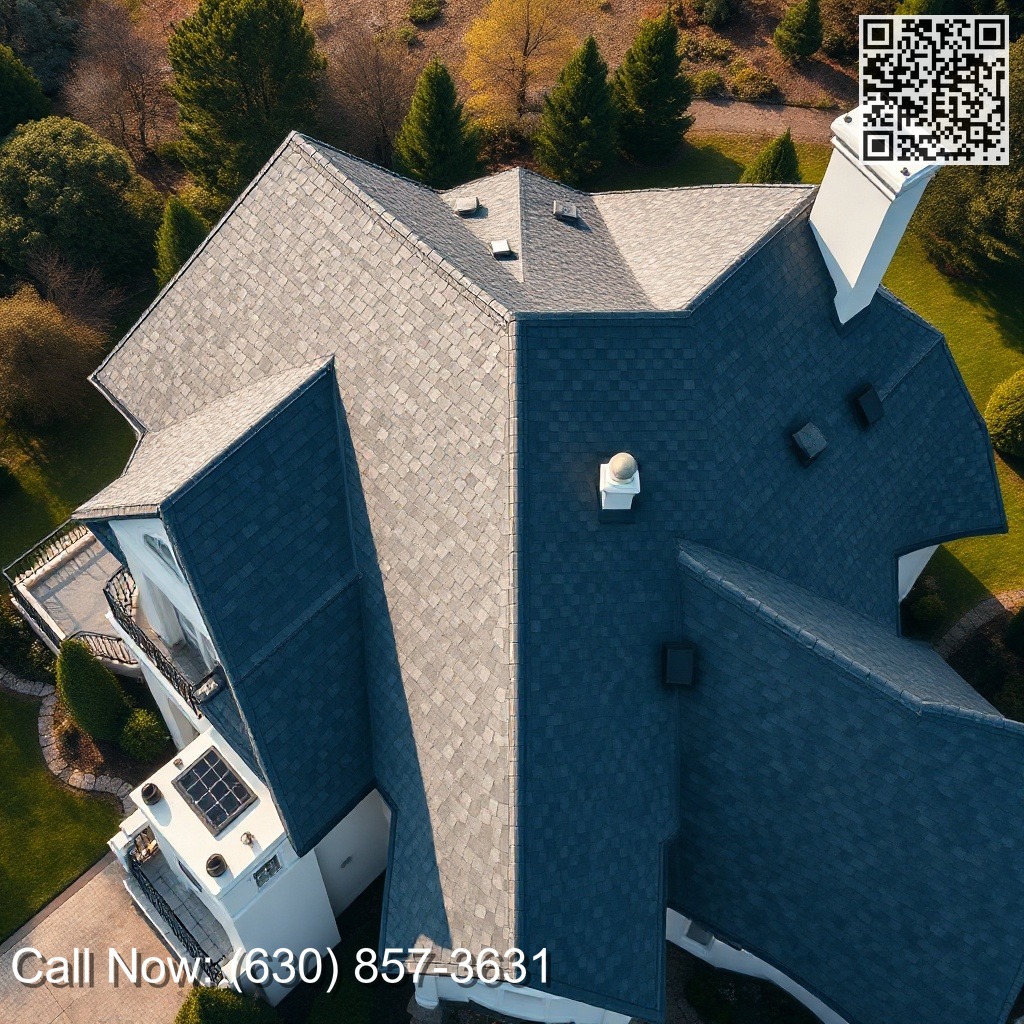
The surge of premium artificial roof covering is not a craze. It is a reaction to useful issues that conventional roof materials have always had, specifically in the Midwest.
What "architectural synthetic roofing" actually means
The term obtains used loosely, so it assists to define it. Building artificial roof normally describes crafted roof covering products developed to replicate the look of natural slate, cedar shake, or clay ceramic tile while enhancing influence resistance, minimizing weight, and streamlining installment. Depending on the supplier, these items may be made from innovative polymers, recycled composite blends, or other crafted materials.
Not all artificial roofing systems are produced equal. Some are plainly entry-level options implied to hit a price point. Others hold true premium artificial roof products with deep accounts, molded texture, customized shade blending, and accessory items that develop a finished, encouraging roofline. The difference matters. A deal artificial roof shingles might look flat and repetitive from the road. A reliable architectural item can mislead many people till they are standing a couple of feet away.
In useful terms, the most effective building artificial roof aim to fix a challenging formula. They attempt to preserve the curb charm of heritage products while minimizing a few of the responsibilities that include them.
Why the Midwest changes the equation
A roof covering product that carries out well in a completely dry, temperate environment might disappoint badly in Illinois, Wisconsin, Indiana, or Michigan. The Midwest reveals weak points fast.
Natural cedar, for example, can be stunning. Fresh cedar shake has warmth and deepness that property owners love. However on homes shaded by mature trees, especially near the lakeshore or in recognized suv great deals, wetness retention ends up being a major problem. Shakes can cup, split, darken unevenly, and invite moss or algae development. That does not mean cedar is a bad product. It indicates cedar demands the best environment and alert upkeep, which not every property owner is prepared to provide.
Natural slate is another example. Correctly sourced and set up slate can last a long time. It brings unequaled stature. Yet slate is hefty, fragile under foot website traffic, costly to fix, and unrelenting of installment errors. In the Midwest, where roofing system substitute usually follows tornado occasions and insurance coverage timelines, searching for crews with real slate experience can be challenging. One misplaced action on a cold morning can split pieces that after that need specific replacement.
Asphalt shingles, the default choice throughout much of the region, resolve several of these troubles however present others. They are accessible and acquainted, and a top quality architectural asphalt shingle stays a sensible roofing system for many homes. Still, Midwest hailstorm, granular loss, thermal biking, and wind exposure can reduce real-life efficiency compared with what home owners anticipate when they listen to a long service warranty term.
That is why property synthetic roofing has taken a growing location out there. It sits in between aspiration and practicality.
How synthetic roof contrasts to asphalt, cedar, slate, and tile
The greatest situation for synthetic roofing shingles is not that they beat every conventional material in every classification. They do not. The instance is that they frequently perform better across the groups that matter most to Midwest homeowners.
Asphalt shingles still win on access cost. If budget is the very first and overriding issue, asphalt remains one of the most typical answer. A home owner changing a regular suv roofing after storm damage can often keep prices within an acquainted variety with laminated shingles. However the long-term picture can shift if repeated repairs, much shorter service life, or visual restrictions matter.
Cedar delivers charm that is hard to fake when it is brand-new. On historical homes and specific architectural designs, it looks precisely right. Yet its maintenance problem is actual. In communities with heavy tree cover, I have actually seen cedar roofs begin showing uneven wear well before proprietors expected it. When splitting and dampness cycling accelerate, the roof covering can go from "weathered and good-looking" to "worn out and vulnerable" faster than many people are ready for.
Slate is still the benchmark for prestige, but it brings architectural and logistical factors to consider. Some homes need reinforcement to sustain it. Repair work needs knowledgeable hands. Blinking information end up being important. The material itself can last longer than several other elements of your house, however just if the entire system is treated keeping that same degree of care.
Clay and concrete tile are much less usual in the top Midwest than in warmer regions, partly due to style fit and partly since freeze-thaw problems can be penalizing. Ceramic tile likewise adds weight and complexity, and it does not make good sense on every roofing system structure.
Architectural artificial roofing gets in that mix as a lower-weight, commonly impact-rated choice that can imitate slate or shake convincingly while tolerating Midwest weather much better than numerous owners anticipate. An appropriate artificial roof substitute can supply the aesthetic statement of a luxury roofing system without requiring the home to bring the structural tons https://donovanpkub356.clarionvale.com/posts/artificial-roof-chicago-built-for-wind-driven-rain-and-ice-dams or the exact same maintenance demands of natural materials.
Appearance, and the concern home owners seldom ask correctly
Most people ask whether synthetic roof looks "actual." That is easy to understand, yet it is not quite the best concern. The far better concern is whether it looks ideal on the house.
A terrific roof is not just a separated product. It has to fit the scale, style, house siding appearance, stonework shade, window trim, and even the profile of the rain gutters and flashing. Some artificial items have hefty darkness lines and differed widths that match a Tudor, French nation, or lakefront custom home beautifully. Others look also uniform for a premium build and can actually undervalue the exterior if the pattern repeats also obviously.
This is especially crucial with artificial roof for deluxe homes. Customers on top of the marketplace notification details. They might not recognize the supplier from the driveway, but they can tell when a roof covering feels flat, glossy, or out of proportion. The most effective premium artificial roof covering items stay clear of that trouble by mixing widths, astonishing discloses, and utilizing blended coloration that appears like all-natural aging as opposed to a factory-printed monotone.
In locations such as Naperville, Hinsdale, Lake Forest, and parts of the North Coast, roofing choice commonly converges with design evaluation standards, area expectations, and resale positioning. A house owner looking for artificial roof covering Naperville IL is usually not seeking the cheapest roof covering offered. They are seeking the best visual outcome with fewer frustrations over time.
Weight matters greater than many people realize
Structural tons is not an extravagant topic, however it drives many roof choices behind the scenes. Natural slate and ceramic tile can weigh a number of times greater than asphalt or several artificial options. On a brand-new custom build, an engineer and designer can prepare for that from day one. On an existing home, the tale is different.
I have actually seen house owners love the appearance of slate, only to learn that bringing their mounting up to the required capacity would include a significant expense before a single roofing ceramic tile was set up. That kind of discovery can thwart a task quickly. Artificial roof typically preserve the preferred look while preventing support work.
Lower weight additionally assists in subtler ways. It can decrease stress on older framing participants, streamline staging and handling on website, and make certain roof designs much more functional to carry out. It does not remove the need for competent labor, but it broadens what is viable on an existing Midwest home.
Hail, wind, and impact resistance
This is where synthetic roofing systems frequently gain their keep. In the Midwest, storm performance is not theoretical. Hail insurance claims are common sufficient that house owners and insurance firms both pay very close attention to impact resistance ratings.
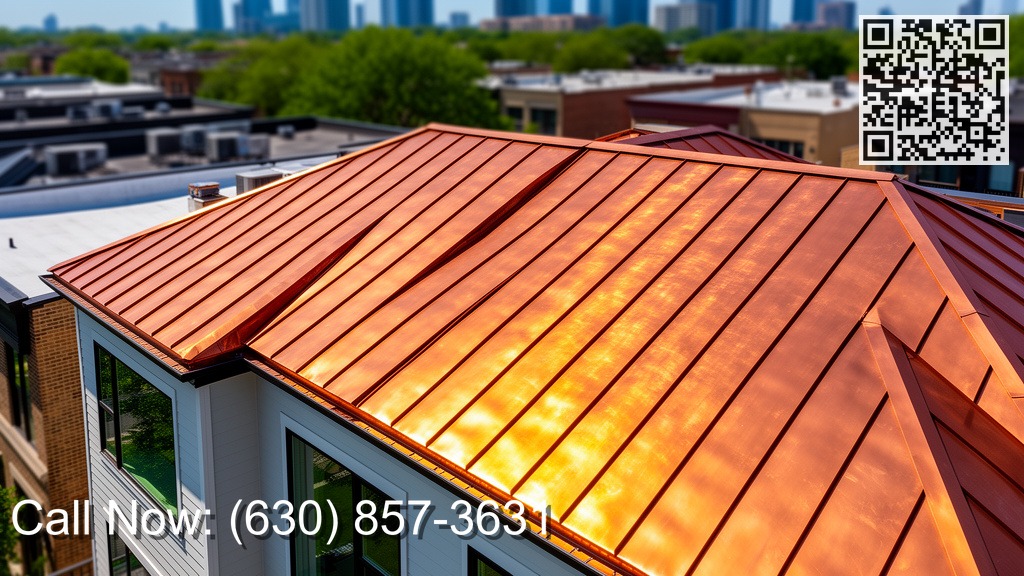
Many costs synthetic roofing items are engineered to attain high impact resistance, often better than natural slate or cedar, which can crack, split, or swelling under hail storm. That does not indicate an artificial roof is indestructible. Huge sufficient hail can damage practically anything. But on equilibrium, reliable artificial materials tend to absorb effect much more forgivingly than brittle natural products.
Wind performance is likewise significant in open suv advancements and on homes near fields, golf courses, or lakefront direct exposures. Traditional materials can stop working at fasteners, sides, or specific pieces when uplift forces locate a weak point. A correctly developed artificial roof setup, paired with the proper underlayment and device elements, can execute quite possibly in those conditions.
The catch is "correctly designed." A costs product set up carelessly will not measure up to its promise. That is why the option of synthetic professional roofer matters nearly as high as the material itself.
Installation quality is not a side issue
Homeowners often go shopping roof covering items as if installment were compatible. It is not. An artificial roof covering firm that recognizes the product, neighborhood code demands, slope changes, ventilation, blinking details, snow and ice patterns, and manufacturer-specific accessories will produce a considerably different outcome than a staff trying the material for the 2nd or 3rd time.
This turns up typically in artificial roofing Chicago projects. Chicago and the bordering suburban areas have a significant variety of housing stock, from small cottages to steep-roofed historical homes to large customized houses with complicated valleys, dormers, and converging roofing airplanes. Artificial materials can deal with that selection well, yet only if layout and detailing are done thoughtfully.
A competent artificial professional roofer Chicagoland homeowners trust fund will typically start by looking past the surface material. They examine attic ventilation, deck condition, blinking at masonry transitions, gutter strategy, ice-and-water security, and whether snow guards or certain accessory pieces make good sense. They also take note of aesthetic information. Exposure lines, starter placement, ridge therapy, and color selection can make the difference between a roofing that looks refined and one that simply looks expensive.
When individuals work with artificial roofing installers based only on the most affordable proposal, troubles tend to appear in the details first. Misaligned courses, uncomfortable valley changes, inexpensive blinking steels, and inconsistent fastening patterns have a means of surfacing within a few seasons.
Maintenance truths over time
One of the most significant disagreements for synthetic roofing substitute is reduced upkeep compared to natural cedar or slate. That disagreement is generally fair, but it should be specified carefully.
Synthetic roof coverings are lower maintenance, not no upkeep. Gutters still require cleaning. Valleys still collect debris. Flashings still should have routine examination. Sealants around associated roof covering infiltrations will not last forever even if the area product is artificial. Branches scraping the roofing can still create aesthetic wear. Ice dam concerns can still establish if the attic is improperly protected and ventilated.
What modifications is the vulnerability of the area material itself. A synthetic slate or shake item is normally much less likely to divide, rot, peel, or crack under regular seasonal tension than natural wood or stone choices. For many homeowners, that lower upkeep profile is the factor. They want the building look without having to baby the roof.
Cost, and where individuals often misinterpret value
It is simple to compare roof covering propositions by considering the overall at the end of the web page. It is harder, and better, to compare worth over twenty or thirty years.
Synthetic roofs typically cost extra in advance than standard asphalt roof shingles. They typically cost much less than top-tier all-natural slate or premium cedar installations, specifically when you factor in structural support, specialty labor, and lasting upkeep. That places architectural artificial roof in a middle-to-upper tier that appeals to property owners planning to sit tight, maintain aesthetic appeals, and reduce lifecycle headaches.
The error I see frequently is dealing with every synthetic choice as if it belongs in the same bucket. It does not. There is an actual spread in product top quality, thickness, realistic look, service warranty terms, and accessory efficiency. Some suppliers supply durable system-based packages. Others mostly provide area shingles and leave installers to improvisate edge and information problems. That can impact both look and durability.
For a property owner comparing propositions, the most beneficial questions normally entail the whole system, not just the visible tile or tile.
- What underlayment bundle is included, especially at eaves, valleys, and penetrations?
- Are flashings being changed completely, or reused where convenient?
- Does the installer have meaningful experience with this details artificial product?
- Are ridge, hip, and starter devices matched to the system?
- How will ventilation be resolved as component of the replacement?
Those responses typically reveal more concerning long-term value than the product label alone.
Where standard products still make sense
It would slouch to claim artificial roofing systems are constantly the best response. They are not.
For a stringent historical remediation, natural products may be required or just better suited. Some landmarked homes must have real slate or cedar because that becomes part of their architectural identification. In other instances, a homeowner might really value the aging and aging qualities of all-natural products, even understanding the extra upkeep they bring.
Budget additionally matters. If a family members needs a dependable roofing system at the most workable upfront cost, a well-installed asphalt system might be the most reasonable option. There is nothing inherently wrong with that said. Roofing choices need to fit both the house and the house owner's priorities.
There are also design constraints. Some homes do not take advantage of a synthetic slate or drink account since their style is too plain, as well low-pitched, or also small in range for that product language to look all-natural. A roofing system must boost your home, not outfit it.
Where synthetic roof covering often tends to shine
The toughest candidates for residential synthetic roof covering are homes where appearance matters, storms are a worry, and the proprietor wants a longer-term product without the weight and maintenance of traditional high-end products.
That typically includes customized homes, upper-end suburban residences, restored historic-looking buildings, and houses with intricate roof geometry where cedar or slate would certainly drive prices greatly greater. It also consists of homeowners that have currently lived through the disadvantage of one more material. Someone who has changed storm-damaged asphalt two times in fifteen years, or invested years maintaining an aging cedar roof, tends to recognize the appeal quickly.
In the Chicago region, artificial roof have actually located a specifically excellent fit on homes that want the visual character of old-world materials while standing up much better to hail, wind, and winter months wetness. That holds true from city communities with masonry-heavy design to western suburbs where big homes rest revealed to weather across open lots.
Choosing the best service provider in the Midwest
The material choice and the professional decision ought to occur with each other. A fantastic item on the wrong home, or in the wrong hands, can dissatisfy. A thoughtful service provider tightens that threat by matching item, incline, blinking approach, air flow, and aesthetic details to the real property.
A qualified synthetic roofer need to be able to explain why one item is a far better fit than another without slipping into sales clichés. They should talk conveniently concerning freeze-thaw problems, ice defense, attic airflow, ridge information, snow dropping behavior, and service years in the future. They need to likewise have a profile with homes similar to your own, not just generic supplier photos.
For property owners contrasting a synthetic roof covering company versus typical roofing contractors that just periodically mount synthetics, experience matters. This category of roof is fully grown sufficient now that there is no factor to approve on-the-job experimentation.
The Midwest verdict
Architectural synthetic roofing has earned its location since it responds to a genuine regional demand. It gives house owners a method to record the depth and distinction of slate, shake, or tile looks without absorbing every drawback those materials can bring in a Midwest climate. It is not the cheapest path, and it is not constantly the most traditionally genuine route. However it is usually the most well balanced one.
For many homes, particularly those seeking premium visual charm and practical resilience, synthetic roofings provide an engaging center path. They decrease weight, typically boost influence resistance, and lower routine maintenance while protecting a premium architectural look. When paired with a strong layout fit and a regimented synthetic roof installation, the result can be a roof covering that really feels both significant and sensible.
That balance is what makes artificial roof covering Chicago homeowners increasingly request, and what maintains it expanding across the more comprehensive region. In a climate that reveals every weak point eventually, balance matters. A roofing system needs to look right, however it also has to maintain showing itself after the novelty is gone, after the storms come through, and after one more winter months settles over the Midwest.
When Quality Matters
Salvo Architectural Roofing Contractors
566 West 5th Ave Naperville, IL 60563
(630) 857-3631
 Ask ChatGPT
 Ask Grok
 Ask Perplexity
 Ask Claude
 Ask Google AI
 Ask You